
Fungal Toenail in Children and Seniors: Special Care Considerations
- posted: Feb. 27, 2026
Fungal toenail infections, also known as onychomycosis, are common across all age groups, but children and seniors face unique considerations when it comes to diagnosis and treatment. These infections can cause discoloration, thickening, and brittleness of the nails, and if left untreated, they can lead to discomfort and secondary infections. Austin Podiatry in Austin, serving Kyle and Buda, TX, provides specialized care to address fungal toenail concerns in both younger and older patients.
Understanding Fungal Toenail Infections
Fungal infections occur when fungi invade the nail bed or nail plate, often thriving in warm, moist environments. In children, toenail fungus can develop from sports activities, shared locker rooms, or nail-biting habits that introduce bacteria and fungi. Seniors are more susceptible due to slower nail growth, reduced circulation, and weaker immune systems, which can make infections more persistent and harder to treat.
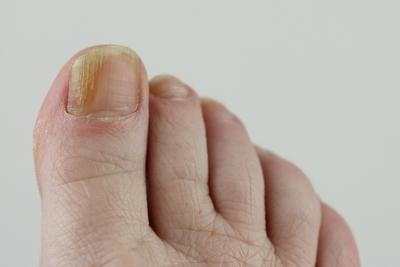
Symptoms often include yellowing or whitening of the nail, thickened or brittle nails, and sometimes mild discomfort. In advanced cases, the nail may become misshapen or painful, affecting mobility and daily activities. Early detection and treatment are crucial to prevent the infection from worsening or spreading to other nails.
Treatment Considerations for Children
When treating children, podiatrists prioritize gentle yet effective approaches. Topical antifungal creams or medicated nail lacquers are often preferred as first-line treatments because they are less invasive than oral medications. In some cases, oral antifungal therapy may be necessary, but it is prescribed carefully and monitored to ensure safety.
Pediatric patients may also benefit from preventive guidance, such as keeping nails clean and dry, wearing breathable socks and shoes, and avoiding shared footwear. Early intervention in children not only resolves infections faster but also helps establish lifelong foot care habits.
Treatment Considerations for Seniors
In older adults, treatment plans must consider underlying health conditions, medication interactions, and slower nail growth. Topical therapies may require extended use, while oral antifungal medications may be recommended for more severe infections. Monitoring liver function and overall health is essential when using systemic treatments in seniors.
In addition to treatment, podiatrists focus on maintaining mobility and comfort. Proper footwear, regular foot inspections, and trimming nails safely can prevent complications such as secondary infections or balance issues that could lead to falls.
Prevention and Long-Term Care
Prevention is key in both age groups. Regular foot hygiene, wearing moisture-wicking socks, disinfecting shared spaces, and avoiding walking barefoot in communal areas help reduce the risk of fungal infections. Consistent monitoring allows for early detection and more effective treatment.
Austin Podiatry in Austin, serving Kyle and Buda, TX, at (512) 448-3668, offers comprehensive care for fungal toenail infections in children and seniors, addressing unique needs with effective, age-appropriate treatments. Call today to schedule an appointment and ensure healthy, comfortable nails for you or your loved ones.
- posted: Feb. 27, 2026
Fungal toenail infections, also known as onychomycosis, are common across all age groups, but children and seniors face unique considerations when it comes to diagnosis and treatment. These infections can cause discoloration, thickening, and brittleness of the nails, and if left untreated, they can lead to discomfort and secondary infections. Austin Podiatry in Austin, serving Kyle and Buda, TX, provides specialized care to address fungal toenail concerns in both younger and older patients.
Understanding Fungal Toenail Infections
Fungal infections occur when fungi invade the nail bed or nail plate, often thriving in warm, moist environments. In children, toenail fungus can develop from sports activities, shared locker rooms, or nail-biting habits that introduce bacteria and fungi. Seniors are more susceptible due to slower nail growth, reduced circulation, and weaker immune systems, which can make infections more persistent and harder to treat.
Symptoms often include yellowing or whitening of the nail, thickened or brittle nails, and sometimes mild discomfort. In advanced cases, the nail may become misshapen or painful, affecting mobility and daily activities. Early detection and treatment are crucial to prevent the infection from worsening or spreading to other nails.
Treatment Considerations for Children
When treating children, podiatrists prioritize gentle yet effective approaches. Topical antifungal creams or medicated nail lacquers are often preferred as first-line treatments because they are less invasive than oral medications. In some cases, oral antifungal therapy may be necessary, but it is prescribed carefully and monitored to ensure safety.
Pediatric patients may also benefit from preventive guidance, such as keeping nails clean and dry, wearing breathable socks and shoes, and avoiding shared footwear. Early intervention in children not only resolves infections faster but also helps establish lifelong foot care habits.
Treatment Considerations for Seniors
In older adults, treatment plans must consider underlying health conditions, medication interactions, and slower nail growth. Topical therapies may require extended use, while oral antifungal medications may be recommended for more severe infections. Monitoring liver function and overall health is essential when using systemic treatments in seniors.
In addition to treatment, podiatrists focus on maintaining mobility and comfort. Proper footwear, regular foot inspections, and trimming nails safely can prevent complications such as secondary infections or balance issues that could lead to falls.
Prevention and Long-Term Care
Prevention is key in both age groups. Regular foot hygiene, wearing moisture-wicking socks, disinfecting shared spaces, and avoiding walking barefoot in communal areas help reduce the risk of fungal infections. Consistent monitoring allows for early detection and more effective treatment.
Austin Podiatry in Austin, serving Kyle and Buda, TX, at (512) 448-3668, offers comprehensive care for fungal toenail infections in children and seniors, addressing unique needs with effective, age-appropriate treatments. Call today to schedule an appointment and ensure healthy, comfortable nails for you or your loved ones.
Austin Podiatry
1221 W Ben White Blvd. (@ Banister) Suite 212B,
Austin, TX 78704
Office Hours
*Office closed from 12:00 PM and 1:00 PM daily for lunch
Monday
8:30 am - 5:00 pm
Tuesday
8:30 am - 5:00 pm
Wednesday
8:30 am - 5:00 pm
Thursday
8:30 am - 5:00 pm
Friday
8:30 am - 5:00 pm
Saturday
Closed
Sunday
Closed